
Logos are much more than just visual symbols, they are the face of your brand. A well designed logo not only identifies your business but also communicates your values, builds recognition, and creates a lasting impression. Designing an iconic logo is an art and science that requires a blend of creativity, strategy, and understanding of design principles. Let’s explore what makes a logo truly iconic and provide actionable tips to create one.
What Makes a Logo Iconic?
- Simplicity
- A great logo is simple and uncluttered, making it easy to recognize and remember. Think of brands like Apple and Nike, their logos are instantly identifiable with minimal design elements.
- Simplicity ensures versatility, allowing your logo to look great across various platforms and sizes, from a website favicon to a billboard.
- Memorability
- An iconic logo sticks in people’s minds. It should create a visual impact that’s easy to recall after just one glance.
- Example: The McDonald’s golden arches are so memorable that even a partial view of the arches is enough to trigger brand recognition.
- Timelessness
- Avoid trendy designs that can quickly become outdated. Instead, focus on timeless elements that will remain relevant for years.
- Example: The Coca-Cola logo has remained largely unchanged since its creation in the late 1800s, proving its timeless appeal.
- Versatility
- A great logo looks good in color, black and white, small and large formats, and across different mediums.
- Tip: Test your logo on various backgrounds and formats to ensure its adaptability.
- Relevance
- Your logo should align with your brand’s identity, industry, and target audience. For instance, a playful logo might suit a toy brand but not a law firm. Example: The Amazon logo cleverly incorporates a smile and an arrow from A to Z, highlighting both customer satisfaction and the brand’s extensive offerings.
How to Craft an Iconic Logo
- Understand Your Brand
- Before designing a logo, define your brand’s mission, values, and target audience. What emotions do you want your logo to evoke?
- Use tools like brand archetypes or customer personas to gain deeper insights into your brand identity.
- Choose the Right Design Elements
- Typography: The font should match your brand’s tone. For instance, bold and modern fonts convey strength, while script fonts evoke elegance.
- Color Palette: Colors have psychological effects. For example, blue conveys trust, while red evokes passion and energy. Use tools like Coolors to create harmonious palettes.
- Shapes and Icons: Geometric shapes can suggest stability, while organic shapes feel friendly and approachable. Use them strategically to reinforce your message.
- Sketch and Experiment
- Start with pencil sketches to explore ideas without committing to a specific design. This stage allows for creativity and flexibility.
- Once you have a few strong concepts, digitize them using design tools like Adobe Illustrator.
- Seek Feedback
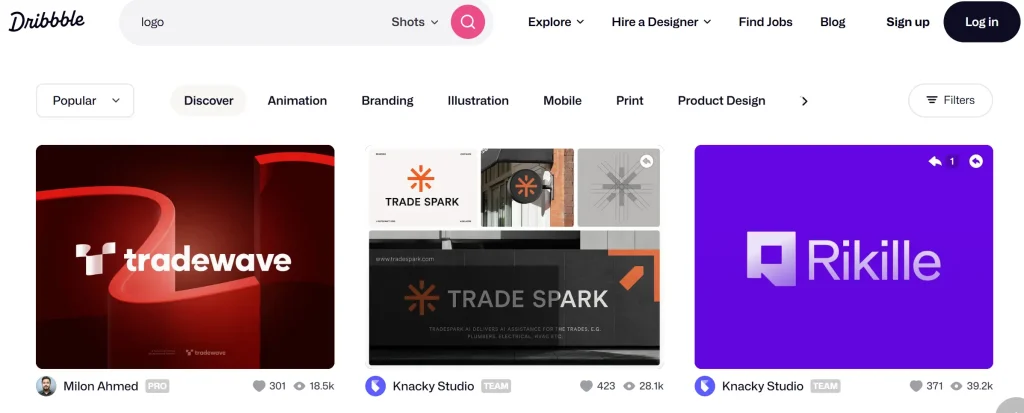
- Share your logo concepts with your team, stakeholders, or even your target audience. Platforms like Reddit’s r/DesignCritiques or Dribbble are great for gathering constructive feedback. Ask specific questions: Does the logo reflect the brand? Is it memorable and versatile?
- Refine and Finalize
- Based on feedback, refine your design to enhance clarity, balance, and alignment. Test it across different formats and ensure it’s scalable without losing quality.
Common Mistakes to Avoid
- Overcomplicating the Design
- Too many elements can make your logo confusing and hard to remember.
- Ignoring Your Audience
- A logo that doesn’t resonate with your target audience is a missed opportunity.
- Over-reliance on Trends
- Trends come and go, but an iconic logo should stand the test of time.
Examples of Iconic Logos and Why They Work
- Nike
- The swoosh is simple, dynamic, and conveys motion and athleticism.
- Google
- Its colorful and friendly design reflects the brand’s approachability and innovation.
- Target
- The bold red bullseye is visually striking and instantly recognizable.
Creating an iconic logo requires a blend of creativity, strategy, and a deep understanding of your brand. By focusing on simplicity, relevance, and timeless design principles, you can craft a logo that not only captures attention but also builds lasting recognition and trust.
Remember, your logo is often the first interaction someone has with your brand. Make it count by investing time and effort into creating a design that truly represents your identity.
Need inspiration? Check out platforms like Behance or Dribbble for design ideas and case studies. And when in doubt, don’t hesitate to seek professional help from experienced graphic designers. After all, your logo is worth it!
Read related articles: How to Choose Your Brand Palette