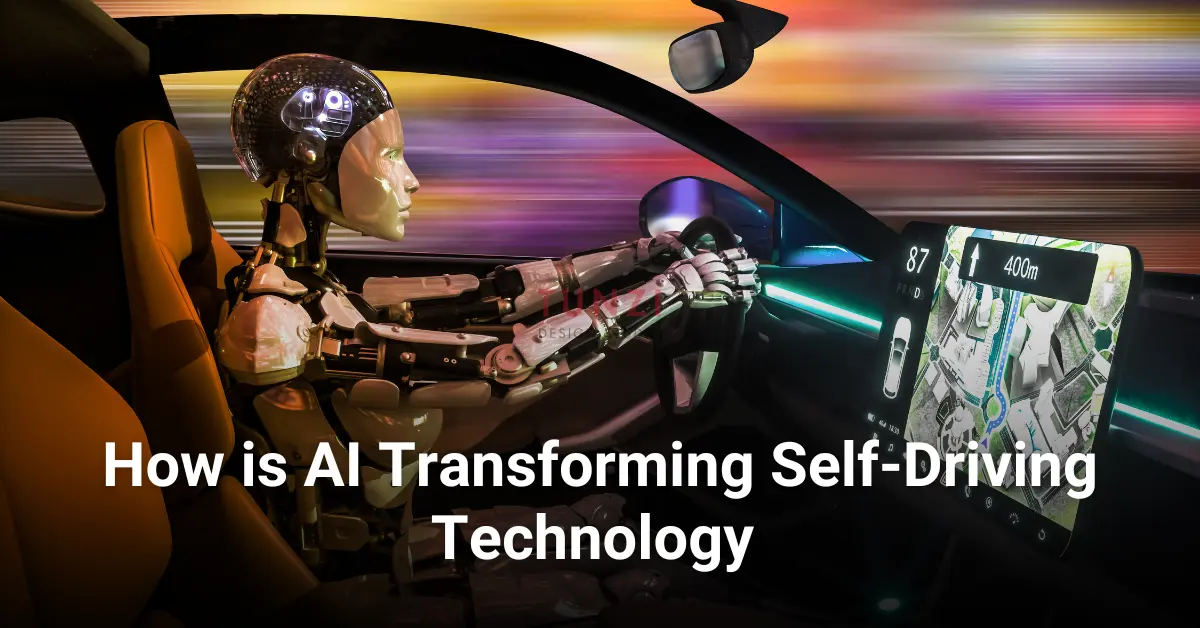

Self-driving cars are transforming the way people think about transportation. AI is at the core of this transformation, making vehicles smarter, safer, and more efficient. However, challenges still exist, and the road to full autonomy is not smooth. Despite this, technology is advancing at an impressive speed, and self-driving cars are shaping the future of mobility.
How AI Powers Self-Driving Cars
Artificial intelligence plays has been playing a huge role in making autonomous vehicles a reality. From advanced sensors to real-time decision-making, AI enables cars to drive themselves with minimal human intervention. Key advancements include:
- Machine Learning: Cars learn from vast amounts of driving data to improve performance.
- Computer Vision: AI-powered cameras recognize objects, pedestrians, and road signs.
- LiDAR and Radar Sensors: These sensors map the surroundings in 3D for better navigation.
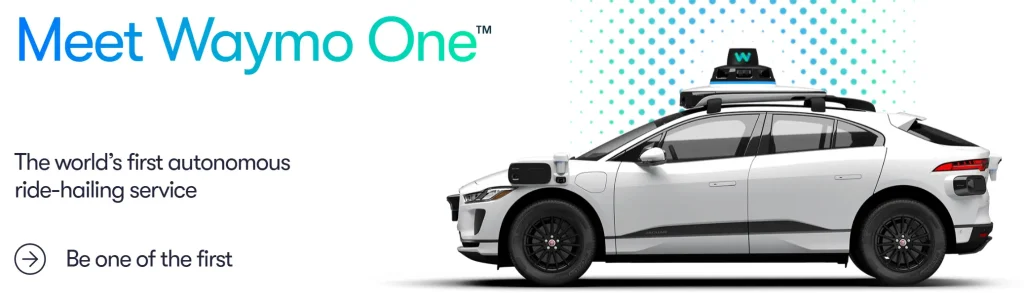
Tesla, Waymo, and other tech giants are competing to develop the best self-driving technology. Companies like Waymo lead in fully autonomous taxis, while Tesla integrates self-driving features in its vehicles through software updates.
The Benefits of Self-Driving Cars
Self-driving cars bring several benefits to transportation. However, they have also raised concerns about safety, regulations, and job displacement. The advantages include:
- Reduced Accidents: AI-driven cars help minimize human error, a major cause of accidents.
- Traffic Efficiency: Smart navigation improves traffic flow and reduces congestion.
- Environmental Benefits: Electric self-driving cars cut emissions and promote sustainability.
- Increased Mobility: People with disabilities and the elderly gain better access to transportation.
The Challenges That Remain
Despite the progress, self-driving technology still faces several hurdles. Some key challenges include:
- Regulatory Uncertainty: Many governments struggle to create laws for autonomous vehicles.
- Ethical Dilemmas: AI decision-making in accidents raises moral questions.
- High Costs: Developing and implementing AI-driven cars remains expensive.
- Cybersecurity Risks: Connected vehicles are vulnerable to hacking and data breaches.
Real-World Applications of AI in Transportation
AI is impacting more than just self-driving cars. The entire transportation industry is experiencing an AI revolution. Some key applications include:
- Smart Traffic Management: AI optimizes traffic lights and predicts congestion to improve city mobility.
- Autonomous Public Transport: Self-driving buses and trains enhance urban commuting.
- AI in Aviation: Airlines use AI for predictive maintenance and flight scheduling.
- AI in Shipping and Logistics: Companies like Amazon use AI-driven robots for warehouse automation and delivery logistics.
What the Future Holds for Self-Driving Cars
The future of AI in transportation looks promising. Experts believe that fully autonomous cars will eventually become the norm, but the timeline remains uncertain. Several trends are shaping the future of self-driving cars:
- 5G Connectivity: Faster networks improve real-time communication between vehicles.
- Better AI Algorithms: Machine learning models enhance decision-making and safety.
- Increased Government Support: More investments fund AI-driven transportation.
- Rise of Robotaxis: Companies like Cruise are launching self-driving taxi services.
Self-driving cars and AI in transportation bring both excitement and uncertainty. However, as technology advances, these vehicles will likely become an everyday reality. The transition is gradual, but the future looks bright. AI is reshaping mobility, making it safer, more efficient, and more sustainable.
The key is addressing challenges while embracing the benefits. Businesses, governments, and consumers all play a role in shaping the future of self-driving technology. One thing is certain, the transportation industry is undergoing one of the biggest shifts in history.
Check out how AI (Chat GPT and Deep Seek) is also transforming multiple sectors by enhancing automation, efficiency, and decision-making. Learn more about deep seek and how it compares to chat GPT here.