
AI and automation are revolutionizing industries worldwide. From manufacturing to healthcare, businesses are integrating artificial intelligence (AI) to streamline operations and enhance productivity. As technology advances, AI-driven automation is reshaping the job market, influencing workforce demands, and altering traditional business models.
With AI becoming more sophisticated, the future of work is shifting toward intelligent automation, reducing manual tasks while creating new opportunities. Let’s explore how AI and automation are transforming industries and shaping the future of work in 2025 and beyond.
How AI Is Reshaping Industries
AI and automation are making businesses more efficient. Companies are leveraging AI-powered systems to improve decision-making, enhance customer experiences, and optimize resource management. Here’s how AI is transforming key industries:
1. Healthcare
- AI-powered diagnostic tools improve disease detection accuracy. Platforms like IBM Watson Health assist doctors in making informed decisions.
- Automation in hospitals reduces administrative burdens, allowing medical professionals to focus on patient care.
- Robotic surgeries, powered by AI, enhance precision and minimize recovery time.
2. Manufacturing
- AI-driven robotics streamline production lines, reducing errors and increasing output.
- Predictive maintenance prevents machine breakdowns, reducing downtime and costs.
- Smart factories utilize AI to analyze data, optimizing workflows in real-time.
3. Finance
- AI algorithms detect fraudulent transactions faster than traditional methods.
- Robo-advisors, such as Betterment, provide personalized investment strategies.
- Automated processes enhance compliance and risk management.
4. Retail and E-Commerce
- AI chatbots improve customer interactions by offering 24/7 assistance.
- Automation in warehouses, like Amazon Robotics, accelerates order fulfillment.
- Personalized recommendations enhance user shopping experiences, increasing sales.
5. Transportation and Logistics
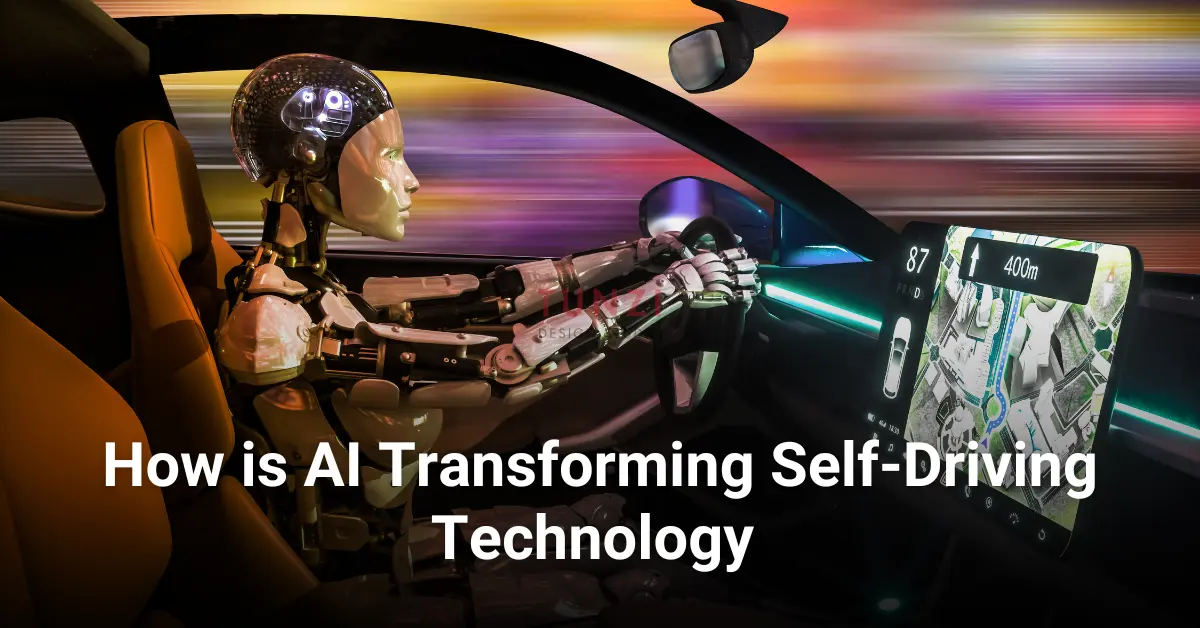
- Self-driving technology is transforming logistics, reducing human dependency.
- AI-powered route optimization enhances delivery efficiency and lowers fuel consumption.
- Predictive analytics streamline supply chain management.
The Future of Work and AI’s Impact on Employment
As AI-driven automation continues to advance, the workforce must adapt. While automation eliminates repetitive tasks, it also creates new job opportunities. Here’s how:
1. Job Displacement vs. Job Creation
- Routine jobs are being replaced by AI-powered systems, especially in data entry, customer service, and assembly lines.
- Emerging roles in AI development, robotics maintenance, and data analysis are in high demand.
- Workers must acquire digital skills to stay competitive in an AI-driven economy.
2. Reskilling and Upskilling the Workforce
- Companies are investing in AI training programs to equip employees with new skills.
- Online platforms like Coursera and Udacity offer AI and automation courses.
- Governments and educational institutions are collaborating to prepare the workforce for AI-powered industries.
3. Remote Work and AI Integration
- AI-driven tools enhance productivity for remote workers through automation and virtual collaboration.
- Platforms like Zoom AI Companion assist in scheduling, transcriptions, and meeting summaries.
- AI-driven task management software optimizes remote team coordination.
Ethical Considerations of AI and Automation
The rise of AI comes with ethical concerns, including:
- Job security: Balancing automation and human employment.
- Bias in AI algorithms: Ensuring fair decision-making in recruitment and finance.
- Data privacy: Protecting personal information in AI-driven systems.
- Regulatory frameworks: Governments establishing policies for responsible AI use.
As AI evolves, companies must prioritize ethical AI development to ensure fairness and transparency in automation.
AI and automation are reshaping industries and redefining the future of work. While automation enhances efficiency and reduces costs, it also presents challenges related to employment and ethics. Adapting to this transformation requires continuous learning, innovation, and responsible AI implementation.
The key to thriving in an AI-powered future is embracing change, reskilling, and leveraging AI to enhance human potential rather than replace it. As we move forward, businesses, governments, and individuals must work together to ensure AI serves humanity responsibly.