
Your portfolio is more than just a collection of your work, it’s your digital handshake, your first impression, and your ticket to landing high paying clients. Whether you’re a designer, writer, photographer, or developer, a well crafted portfolio can make the difference between getting hired or overlooked. Here’s how to create a portfolio that truly stands out and gets noticed.
1. Know Your Audience
Before you start putting your portfolio together, ask yourself: Who am I trying to impress? Different industries have different expectations. A UX designer’s portfolio will look very different from a graphic artist’s. Research what your target clients or employers look for and tailor your portfolio to meet their needs.
2. Choose the Right Platform
Selecting the right platform for your portfolio is crucial. Here are a few excellent options:
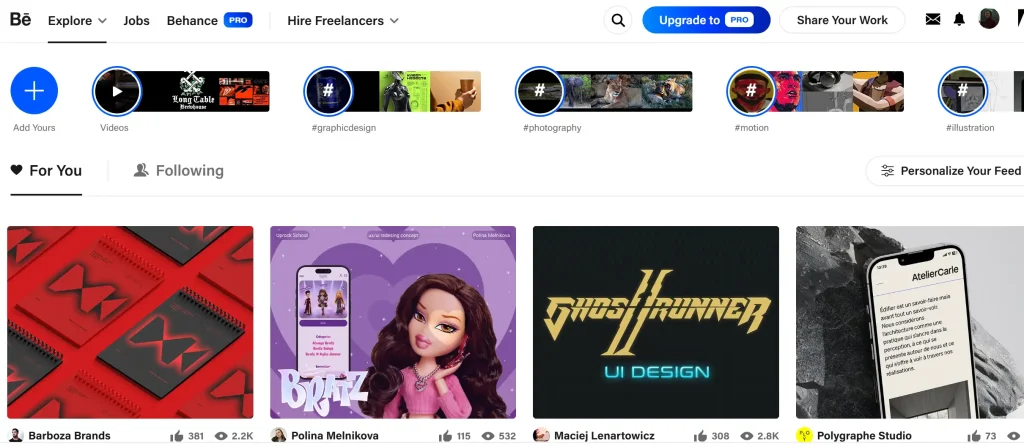
- Behance – Ideal for designers, illustrators, and photographers. (Visit: Behance)
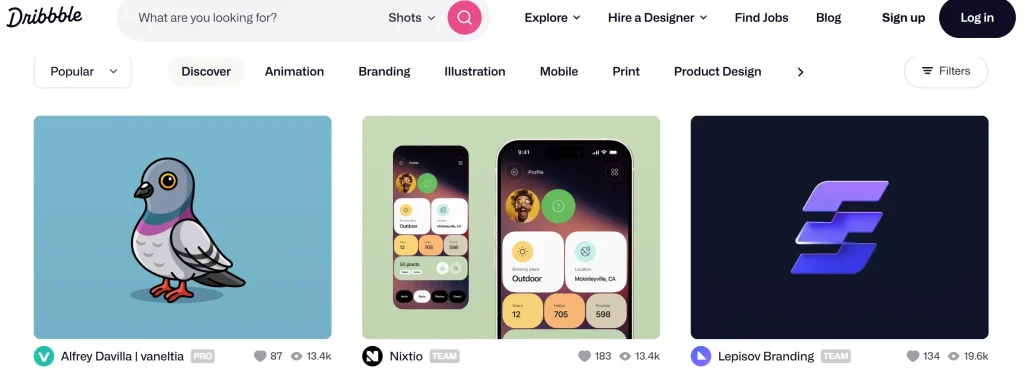
- Dribbble – Great for UI/UX and graphic designers. (Visit: Dribbble)
- WordPress – Offers full customization for professionals who want control over their branding. (Visit: WordPress)
- Squarespace – Simple drag-and-drop interface with beautiful templates. (Visit: Squarespace)
- Wix – Perfect for beginners needing an easy-to-use builder. (Visit: Wix)
3. Highlight Your Best Work (Less is More)
A cluttered portfolio can overwhelm visitors. Instead of showcasing everything you’ve ever done, focus on your best work. A good rule of thumb: Show 6-10 high-quality projects that demonstrate your skills and versatility.
Each project should tell a story, outline the problem, your process, and the final results.
4. Craft an Engaging About Page
Your portfolio isn’t just about what you’ve done; it’s also about who you are. A compelling About page should include:
- Your background and experience
- Your unique style or approach
- A fun fact or something personal to make you memorable
Make it professional yet approachable. Clients want to work with someone who’s skilled and likable.
5. Write Clear and Impactful Case Studies
Don’t just showcase your work, explain it. A great case study should include:
- The Challenge – What problem were you solving?
- The Process – How did you approach the project?
- The Solution – What did you create?
- The Impact – How did it help the client? (Numbers, testimonials, and real-world results work best!)
Example: Before: The client’s website had a 30% bounce rate. After: Redesigned UI/UX led to a 15% decrease in bounce rate and a 40% increase in conversions.
6. Optimize for SEO
Your portfolio won’t be useful if no one finds it. Here’s how to optimize it:
- Use relevant keywords like “freelance graphic designer in [your city]” or “best UX portfolio examples.”
- Optimize image sizes to improve load time (Use tools like TinyPNG or Compressor.io).
- Write compelling meta descriptions for each project.
- Add alt text to images to improve search visibility.
7. Make It Mobile-Friendly
Over 50% of web traffic comes from mobile devices. If your portfolio isn’t mobile-friendly, you’re losing potential clients. Test it on different devices and make sure:

- Images load correctly.
- Text is easy to read.
- Navigation is intuitive.
8. Include Client Testimonials
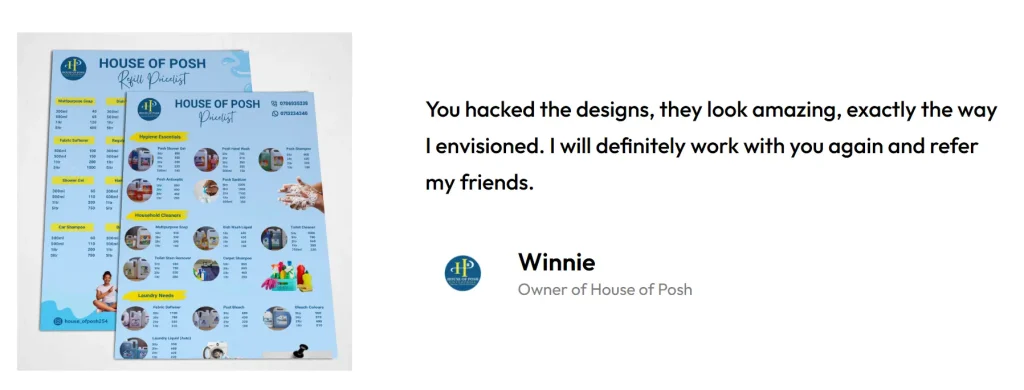
Nothing builds trust like social proof. If you’ve worked with clients, ask them for short testimonials. A simple review like “[Your Name] delivered an incredible design that transformed our brand. Highly recommend!” adds credibility to your portfolio.
9. Keep Your Contact Page Simple
If a client likes your work, they need to reach you fast. Keep your contact page clear and concise with:
- Your email (or a contact form)
- Links to your social media (LinkedIn, Instagram, etc.)
- Optional: A calendar link (e.g., Calendly) for easy booking
10. Update Regularly
A stale portfolio can make you look inactive. Keep it fresh by:
- Adding new projects regularly.
- Removing outdated work.
- Updating your About page with recent achievements.
Note:
Your portfolio is part of your personal brand. Choose a consistent color scheme, typography, and tone of voice that reflect who you are. This consistency helps you stay memorable in a sea of portfolios.
Your portfolio is your most powerful marketing tool. By curating your best work, optimizing for SEO, and making it easy for clients to connect, you can create a portfolio that not only gets noticed but also gets you hired.
Need more web design and freelancing tips? Check out our blogs on [Freelance Web Design: How to Get Your First High-Paying Client] and [Common Web Design Mistakes and How to Avoid Them].